
The Safety Factor Of Stadium Lighting
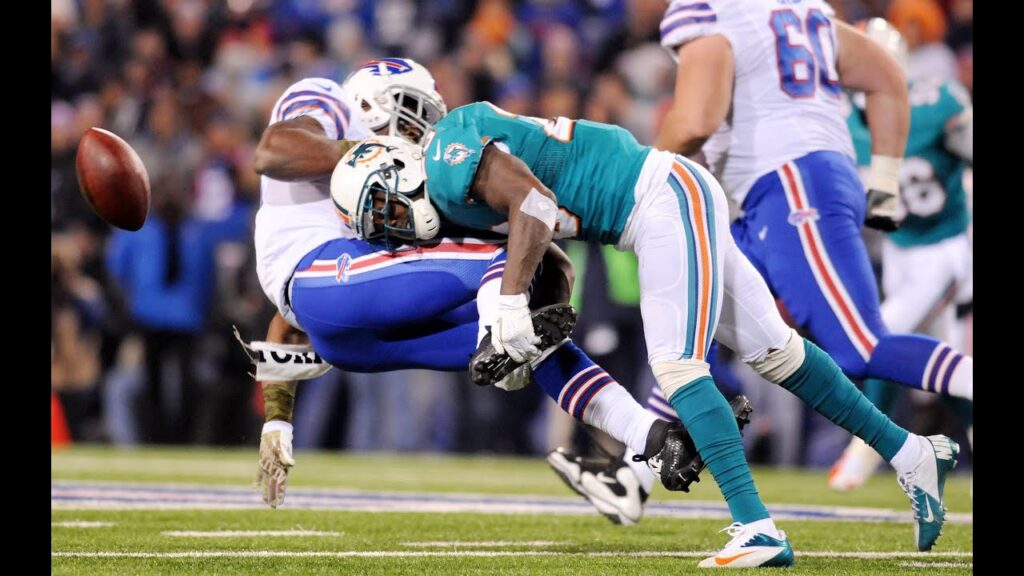
In the world of sports, performance and safety go hand in hand—and nothing impacts both more directly than lighting. Whether it’s a Friday night football game or a high-stakes soccer match, the quality and reliability of stadium lighting can determine not only the visibility for players and fans but also the safety and success of the entire event.
At Brilled Lighting, we understand the critical role lighting plays in sports venues. That’s why we advocate for upgrading outdated systems like High Pressure Sodium (HPS) and Metal Halide (MH) to modern LED stadium lighting. Here’s why it matters—and why LED is the superior choice.
The Safety Factor in Stadium Lighting
Safety is non-negotiable when it comes to stadiums and arenas. Poor lighting can lead to:
Player injuries due to unseen hazards or delayed reaction times
Spectator accidents in dimly lit stands, staircases, and pathways
Security concerns, as dark spots increase the risk of altercations or unauthorized access
Emergency response delays when visibility is compromised
Adequate lighting ensures that everyone—athletes, officials, spectators, and staff—can move and operate safely within the venue. It’s not just about brightness; it’s about even, consistent, and reliable illumination.
Why LED is Better Than HPS or MH for Stadiums
Let’s break down why LED lighting outperforms traditional HPS and MH options across every key metric.
 1. Superior Visibility
LED lights provide higher CRI (Color Rendering Index), meaning colors appear more natural and vibrant. This is essential for players tracking fast-moving balls and for broadcasters capturing accurate, high-definition footage.
HPS lights, on the other hand, produce a yellow-orange glow that distorts colors. MH lights have better color rendering than HPS, but they degrade quickly over time and can cause flickering—especially problematic during televised events.
2. Instant On/Off
Unlike MH and HPS systems that take 10–15 minutes to warm up, LEDs power on instantly. In the event of a power outage or emergency, this feature can be a game-changer.
3. Energy Efficiency
LEDs use up to 70% less energy than HPS or MH. For large stadiums with high wattage demands, this translates to massive cost savings on utility bills—and a smaller environmental footprint.
4. Longer Lifespan
LED stadium lights can last 50,000 hours or more, while HPS and MH bulbs typically need replacing after 10,000–20,000 hours. Less maintenance means less risk of fixture failure during events and reduced long-term costs.
5. Better Light Control
LED systems allow for precision optics and beam angles, minimizing light spill and maximizing coverage where it’s needed most. This improves visibility while complying with light pollution regulations—a growing concern for urban stadiums.
6. Smart Control Systems
LEDs can be integrated with smart controls for dimming, scheduling, and zoning. This adds another layer of safety and efficiency, letting operators adjust lighting based on crowd size, weather, or event type.
Real-World Impact: Safety and Experience Elevated
Switching to LED lighting doesn’t just make sense on paper—it dramatically improves the game-day experience:
Players feel more confident with better visual clarity
Spectators stay safer navigating the venue
Security teams operate more effectively in well-lit environments
Broadcast quality improves, benefiting fans and sponsors alike
Upgrade Your Stadium with Brilled Lighting
At Brilled Lighting, we offer a wide range of high-performance LED stadium lights engineered for safety, efficiency, and durability. Our team can help you design a custom lighting plan that meets your venue’s unique needs—while maximizing ROI and minimizing risk.
Let’s light up the future of sports—safely and sustainably.
 Contact us today to learn more or request a free consultation for your stadium lighting upgrade.